
What to Look for When Trading Cryptocurrency
The cryptocurrency market is known for its extreme volatility, offering both high-risk and high-reward opportunities. Unlike traditional assets, crypto prices can swing dramatically within hours, making it essential for beginners to understand the dynamics. At the core of this digital…
Blog
What to Look for When Trading Cryptocurrency
The cryptocurrency market is known for its extreme volatility, offering both high-risk and high-reward opportunities. Unlike traditional assets, crypto prices can swing dramatically within hours,…
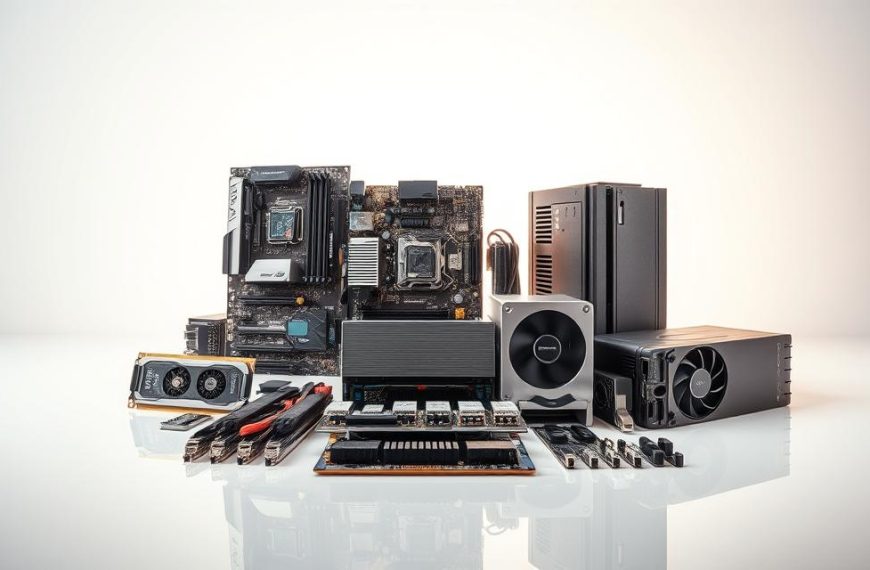
Major Hardware Components of a Computer Explained
Understanding the inner workings of a computer is essential for troubleshooting and upgrades. Just like humans need healthcare for longevity, PCs require regular maintenance to…
Is Pi Network a Legitimate Cryptocurrency?
Launched on March 14, 2019, by Stanford graduates, Pi Network has gained significant attention for its innovative approach to digital currency. Unlike traditional mining methods,…
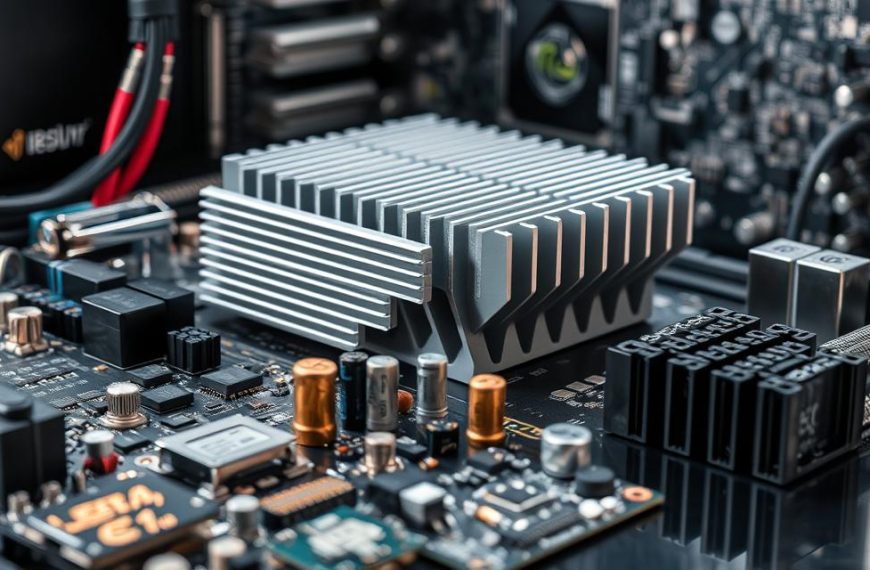
What Does “Hardware” Mean in a Computer?
Computer hardware refers to the physical, tangible parts of a system that users can interact with. These devices include everything from keyboards and monitors to…
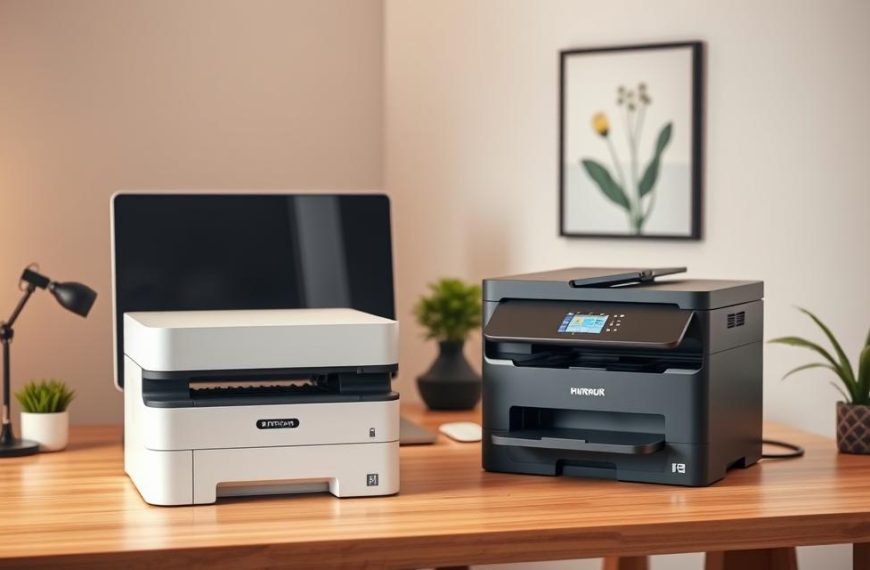
How to Connect a Printer to a Computer via Network
Setting up a printer across different operating systems can be tricky. Many users face challenges when trying to establish a seamless connection between their devices.…

How to Boost Your PC’s Gaming Performance
Maximizing your computer’s gaming performance requires a blend of hardware and software optimization. Whether you’re diving into Baldur’s Gate 3, Fortnite, or Cyberpunk 2077, these…
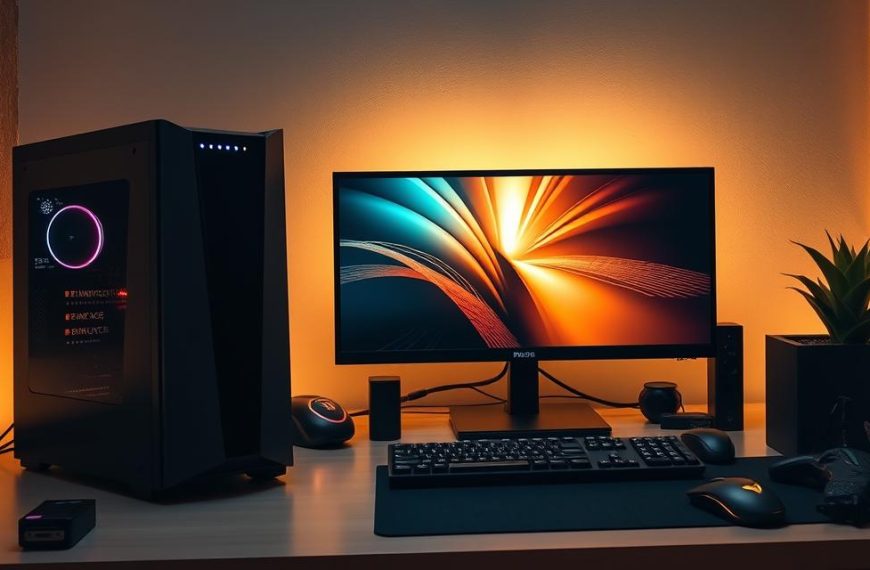
Budget-Friendly Ways to Upgrade Your Gaming PC
Enhancing your gaming system doesn’t have to break the bank. With strategic improvements, you can boost performance while staying within a budget. Focus on components…

What Is a Worldwide Computer Network?
A worldwide computer network connects millions of devices globally. It enables seamless communication and resource sharing across private, public, academic, and government systems. This interconnected…
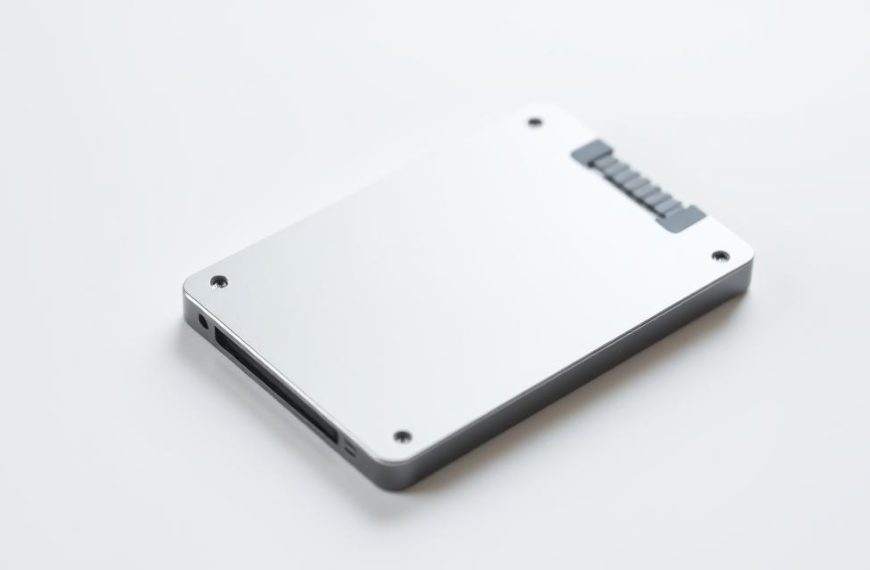
What Is an SSD in Computer Hardware?
Solid-state drives, or SSDs, are non-volatile storage devices that use solid-state flash memory. Unlike traditional hard disk drives (HDDs), they have no moving parts, which…
Latest Stories
What to Look for When Trading Cryptocurrency
The cryptocurrency market is known for its extreme volatility, offering both high-risk and high-reward opportunities. Unlike traditional assets, crypto prices can swing dramatically within hours, making it essential for beginners to understand the dynamics. At…
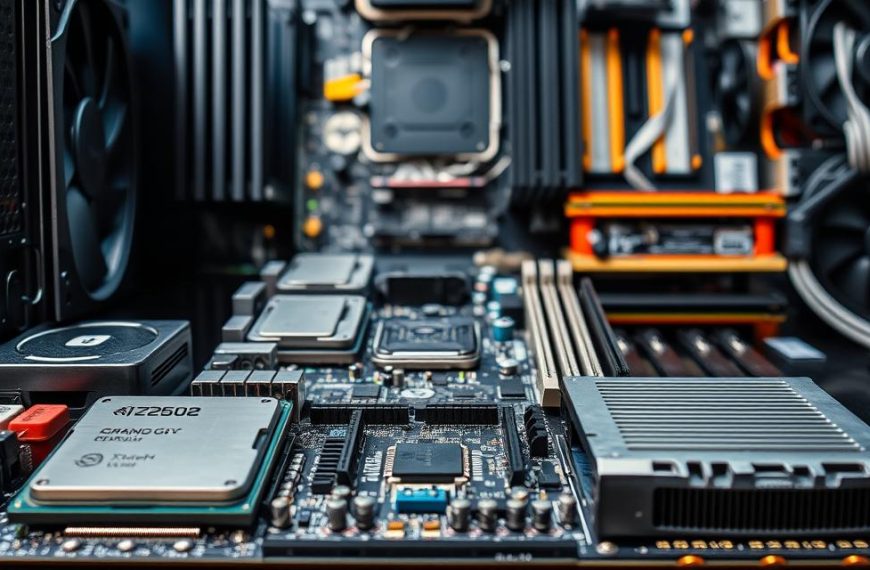
Computer Hardware: A Short & Simple Answer
At the core of every computing system lies computer hardware, the physical components that make digital operations possible. These hardware components work together to process, store, and manage data, enabling devices to perform tasks efficiently.…
How to Connect a Printer to a Computer via Network
Setting up a printer across different operating systems can be tricky. Many users face challenges when trying to establish a seamless connection between their devices. Whether you’re using Windows or macOS, the process often involves…
What Is an SSD in Computer Hardware?
Solid-state drives, or SSDs, are non-volatile storage devices that use solid-state flash memory. Unlike traditional hard disk drives (HDDs), they have no moving parts, which makes them more durable and faster. Key components include a…